
2026-08-25
New Battery or a Different Phone: How to Tell Which Is Worth It
How capacity, charge cycles and software support tell you whether a new battery will keep your phone going for years or whether you are putting money into a lost cause.
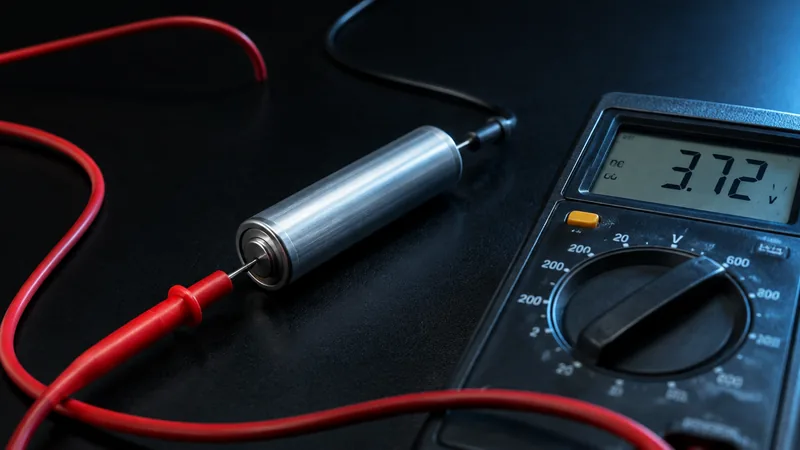
Measure first, then decide
A device that is flat by the afternoon is not automatically a device that is written off. Before you decide anything, look in Settings > Battery > Battery Health & Charging. Two numbers there make almost the whole decision for you: the maximum capacity and the number of charge cycles. A low capacity with a high number of cycles means the battery has simply done its work. A low capacity with few cycles points more to heat or to a weak battery from an earlier repair. If there is a message that the device cannot verify the battery, an unknown part has probably been fitted and you do not know what you have.
What a new battery does solve
More than people expect. A device that suddenly cuts out in the cold, that is flat halfway through the day, that feels slow because it throttles its speed to prevent shutdowns, or that closes down during the camera app: those are almost all symptoms of a worn battery. If the rest of the device is sound, a new battery in practice gives you back the device as you knew it. That is usually the cheapest intervention that can keep a device going for years, and it is also the most underrated, because a slow decline is only noticed once it is well advanced.
What a new battery does not solve
- A device that no longer gets software updates. That is the most important limit, because it determines whether your banking app and your security updates keep working.
- Too little free storage. A full phone stays slow, even with a fresh battery.
- A screen with a crack, stains or burn-in.
- A camera that no longer works, or a charging port that only works at one particular angle.
- A device with a history of moisture, because something else can fail there at any moment.
- The urge for something newer. That does not disappear with a battery, and it is not a technical argument either.
The question that makes the decision
Put the cost of a battery next to the residual value of your device and next to the price of the device you would otherwise buy. If your device is still within its support period and the outside is in order, a battery is almost always the better sum. If the device is nearing the end of its support, or if that battery comes with a screen or a charging port as well, then you are putting money into something you will replace within a year anyway. In that case it is wiser to use the residual value that is still in it now, instead of adding a repair on top first.
Count in what your device is worth now
That weighing-up involves one number people often forget: what your old device fetches today. That value falls steadily, and it falls faster around the moment a new generation comes out. Anyone who hesitates for another six months pays for that hesitation in residual value. With us a trade-in price is fixed for 14 days, so you can do the sums calmly without the amount shifting under your hands, and once approved, payment follows within two working days. So you can first have the device valued and only then decide whether to have that battery fitted. You can get an estimate via sell your device.
What we cannot buy in
For completeness, because this determines whether that residual value exists at all: we do not buy devices with a SIM lock, an MDM lock or an active iCloud account. Such devices cannot be set up again, so they cannot go on sale. So sign out of iCloud, turn off Find My and remove any employer's management profile before you send a device off. That is not a formality we are being strict about; it is the difference between a device with value and a device that is only parts.
How we go about it when we sell
Because a weak battery causes so many complaints, we do not put the limit at the minimum. Every device goes through 32 checkpoints in our own workshop in Zarren, including the capacity and the number of cycles. If the battery measures below 85%, a new one goes in; above that limit it stays and the measured value is listed with it. The device and the battery carry 24 months of warranty, so a battery that still declines too quickly after that is not a discussion. What is and is not covered is set out on the page about warranty.
How to keep the next battery healthy longer
- Keep the device out of the heat. Heat costs more capacity than charge cycles, and a device in full sun or on a dashboard loses that permanently.
- Do not leave it on the charger day and night at high temperature, for example under a pillow or in a car mount by the windscreen.
- Use a sound charger and cable. Cheap chargers with poorly regulated voltage damage the charging circuit over time, and that is a more expensive repair than a battery.
- Charge in between instead of running it completely flat every time. A battery does not need to be run down.
- Store a device you are not using for a long time half charged, in a cool place, and check it now and then.
In short: measure first, then look at how long the device still gets updates, and count the residual value in. In most cases where the rest of the device is healthy, a battery is the sensible choice. As soon as a second repair joins it or support runs out, switching is the cheaper route.